
Over the years of working in landscape restoration, I have had the privilege of interacting with remarkable tree species, each carrying its own story, purpose, and resilience.
My forestry journey began with passionate inexperience, driven by the urgency to fill every empty space with trees an approach that would have led to many mistakes. Fortunately, I have always been willing to listen and learn. Today, that early impulse has evolved into an intentional, people-centered practice where community voices and ecological science guide every decision.
What has brought me the greatest joy is realizing that tree choices are never mine alone. They are shaped by the wisdom of communities who know their forests best, and by the Kenya Forest Service foresters entrusted with safeguarding them.
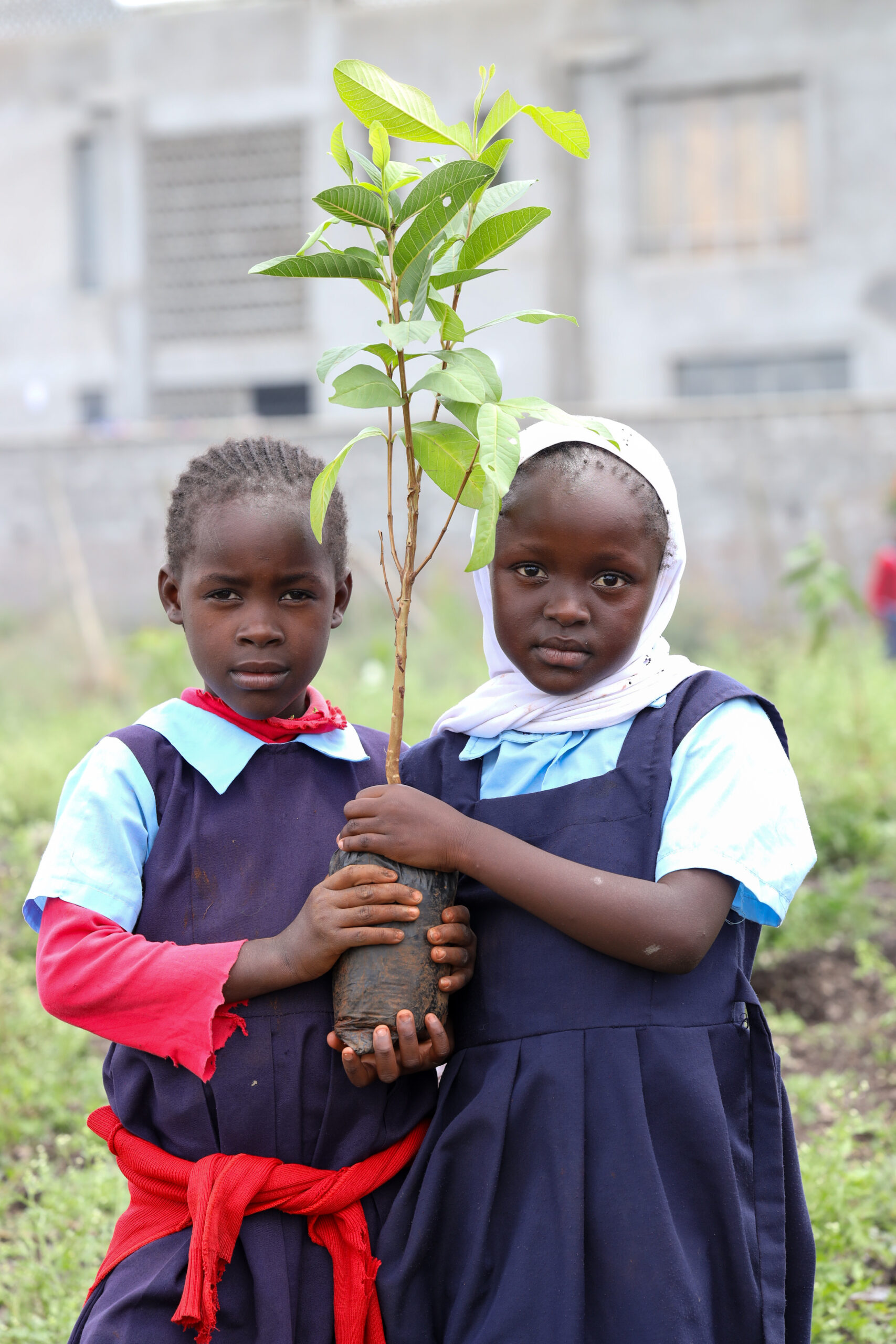
In schools, the priorities have always been clear and practical. Should we establish woodlots to meet the demands of their kitchens, knowing that many Kenyans still rely on firewood? Or should we focus on shade and greening compounds, to make learning environments cooler, healthier, and more inspiring?
With time, I have come to understand that people naturally gravitate towards greener spaces, even though 80 percent of Kenya’s landscapes are arid and semi-arid. Greening compounds, therefore, becomes just as important as providing firewood or fruit. Simply put, restoration must go beyond simply planting trees; it must be intentional, aligning with how people use and value their spaces.
One of my earliest and most profound lessons in tree selection came from Mzee Simon Konana, a resident of Nessuit in Mau Forest, a member of the Ogiek community, and a dedicated beekeeper. The very first tree he suggested we grow was Dombeya guetzenii (forest dombeya), locally called Mukeu among GEMA-speaking communities. This indigenous tree produces abundant flowers that sustain bees, directly supporting both his livelihood and his community’s cultural heritage.
He also firmly discouraged the planting of exotics such as cypress, pine, eucalyptus, and even grevillea inside the forest. His reasoning was simple yet profound: these fast-growing outsiders would outcompete native species, disrupt the delicate ecological balance, and eventually require removal. That would undermine the very purpose of restoration. Instead, he encouraged us to plant species like Olea africana, Juniperus procera, and Podocarpus latifolius, trees deeply rooted in the history and ecology of Mau.
Listening to his wisdom changed my entire outlook. Restoration was no longer about replacing trees; it was about restoring identity, heritage, and balance.
When I later began working in semi-arid landscapes, the priorities shifted once again. Here, communities needed trees that could enrich the soil and provide protective cover. Species such as Markhamia lutea, Warburgia ugandensis, Grevillea robusta, and Croton megalocarpus became invaluable, their abundant leaf litter replenishing and nourishing soils. In more exposed areas, Casuarina equisetifolia served as a reliable windbreaker, protecting farmlands and homesteads from harsh winds.
While I have worked with many more species than those mentioned, these particular ones remain most memorable because of how deeply communities valued them. One of the greatest risks in restoration is the tendency to rely too heavily on fast-growing or popular species. This can lead to a dangerous loss of biodiversity, as slower-growing natives are neglected. Yet these are the very trees that sustain ecosystems, supporting insects, bacteria, and fungi that are essential in breaking down organic matter and nourishing soils.
This is why restoration requires more than enthusiasm, it requires care, patience, and knowledge. It is not simply about planting trees; it is about restoring ecosystems. Guided by science and community wisdom, restoration brings enduring benefits: healthier landscapes, thriving biodiversity, and resilient livelihoods.
Ultimately, trees have taught me that restoration is not a uniform act of planting, but a process of weaving ecosystems back together while honoring both nature and people. It calls for patience, cultural wisdom, and an understanding of daily human needs. For those beginning their journey in conservation, this perspective is invaluable. It helps us see beyond the simple act of planting, because when we see beyond the act of planting, we also understand why some trees may eventually be harvested, and how true restoration lies in creating balance, resilience, and continuity.
Restoration, I have come to understand, is as much about people and place as it is about trees. And when we honor both, landscapes truly thrive again.
A note for readers: in binomial nomenclature (scientific naming), the first word indicates the genus and is capitalized, while the second denotes the species and is written in lowercase. Both are underlined when handwritten. For example: Markhamia lutea.